We proudly research, grow, and write about our plants by hand. Descriptions are based on our experience as well as information gathered from reputable sources: books, periodicals, and select websites. Should you have questions beyond what is listed please email or call.
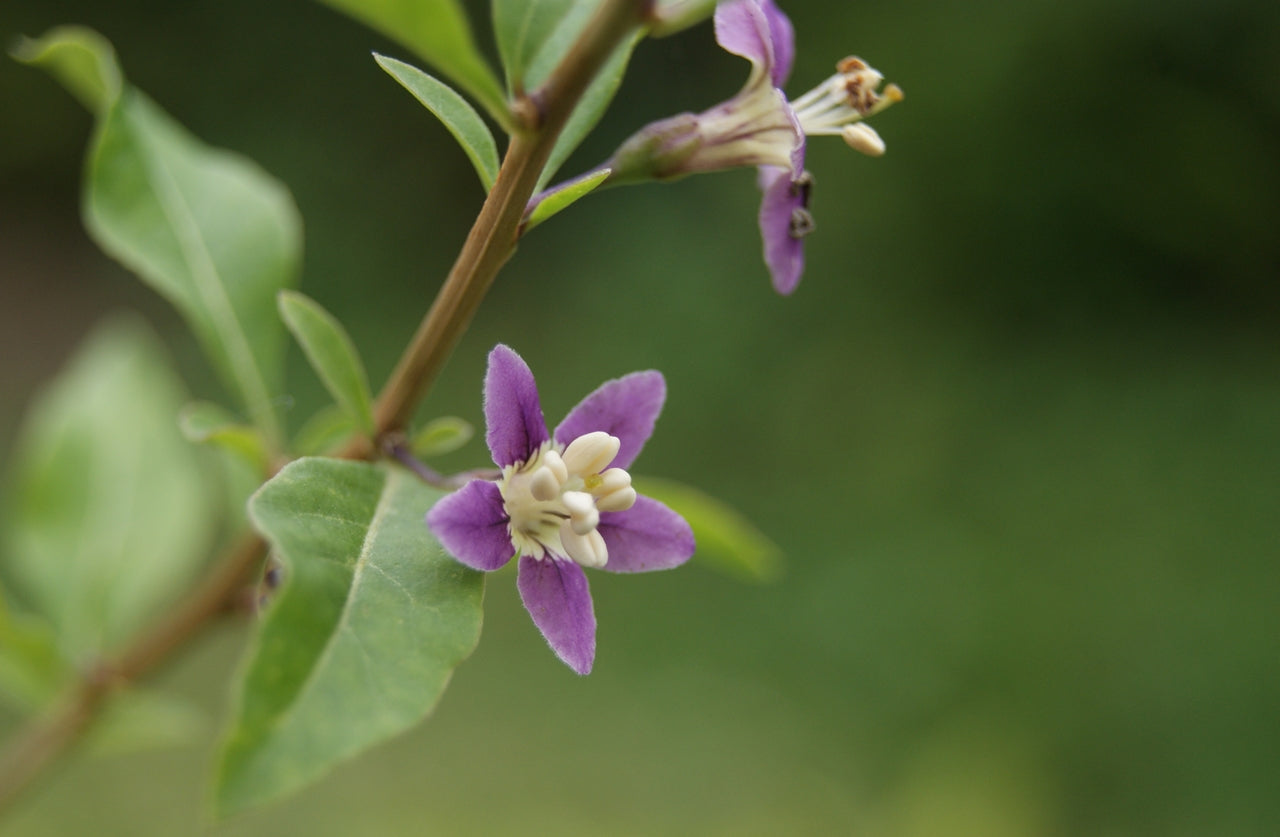
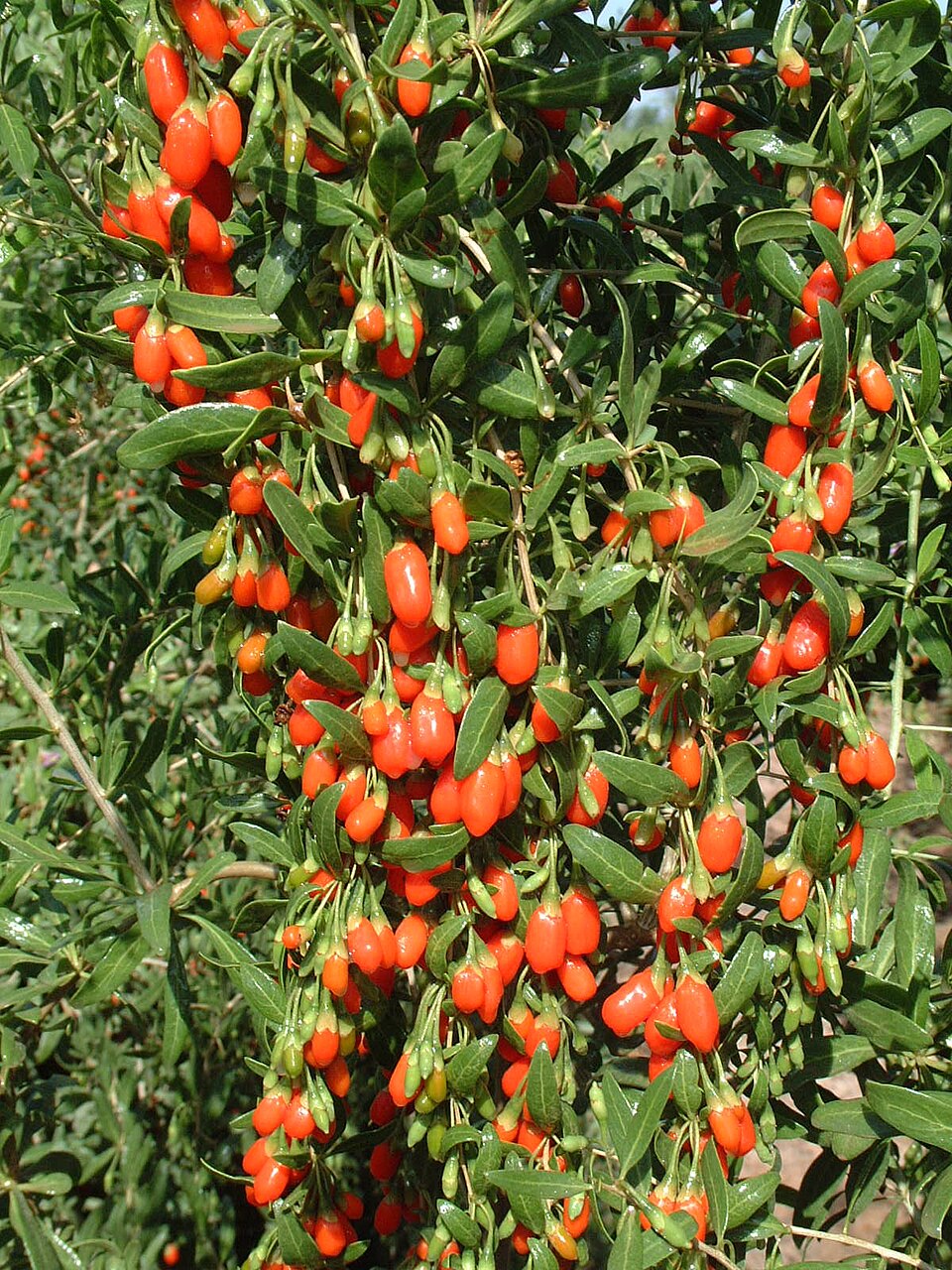
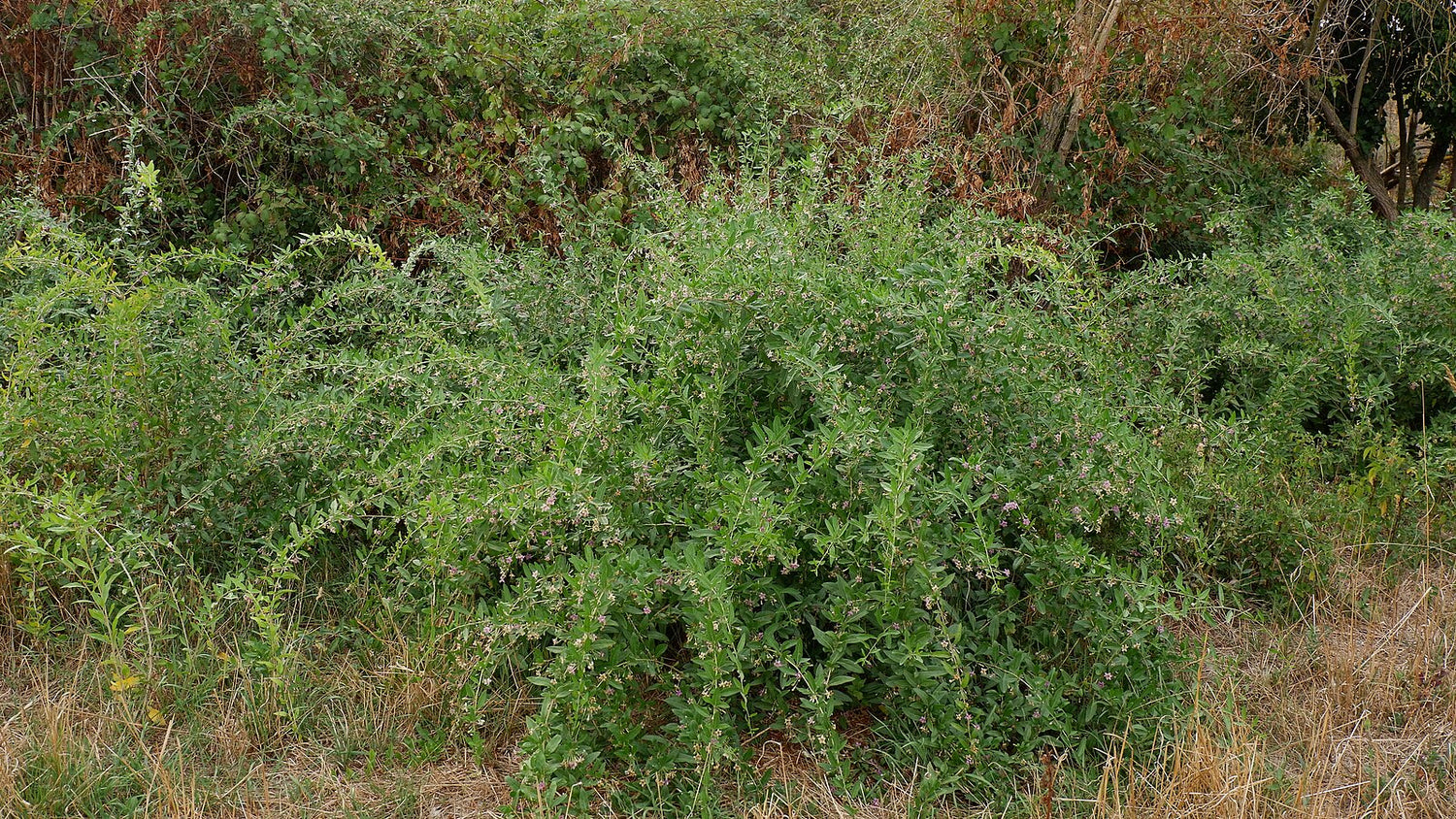


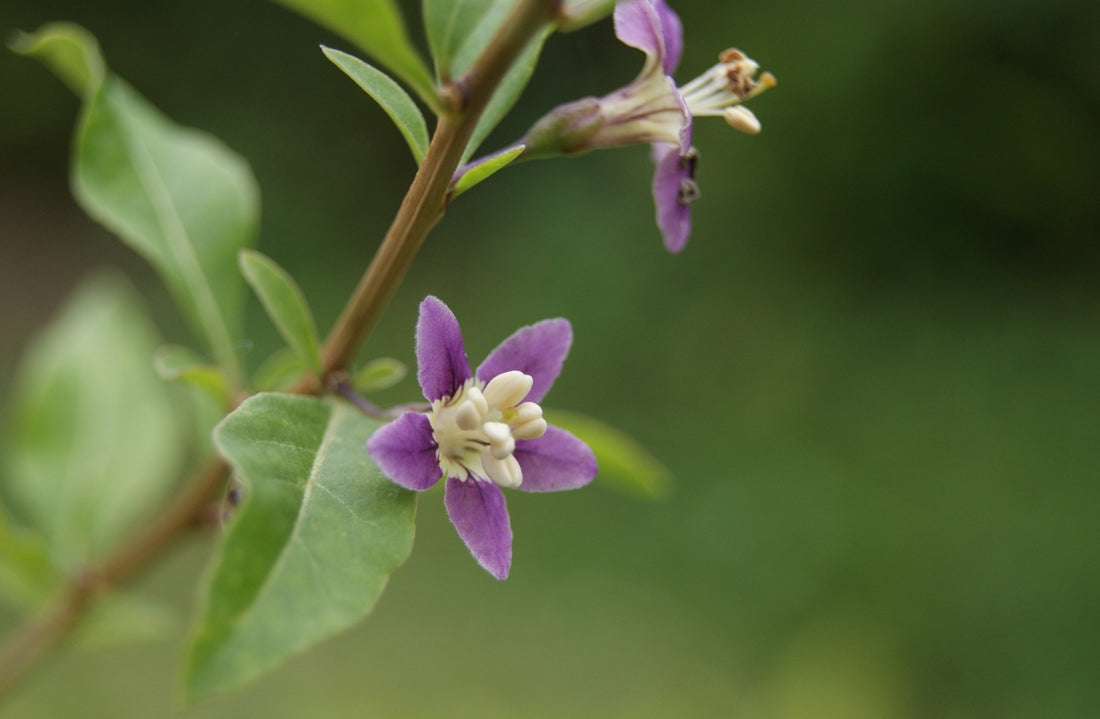
Lycium barbarum | goji berry
- Regular price
-
$8.99 - Regular price
-
- Sale price
-
$8.99
Grown from seed in living soil without the use of pesticides, chemicals, or carbon fuels.
Goji berry (Lycium barbarum), also known as wolfberry, box thorn, and matrimony vine, is a deciduous shrub that is widely grown for its edible berrries. Goji berries have been used medicinally and nutritionally in Asian countries for centuries but have only gained worldwide popularity in the last two decades. Read this article at the National Library of Medicine to learn more about the potential health benefits of goji berries
Goji plants are easy and adaptable. They grow naturally in shrub form but can be trained into small trees, trellised, or espaliered. They are happiest in full sun in average to well-drained soil with relatively low fertility. Plants flower in summer and set berries in fall.
Growers note: Goji reaches fruiting maturity in 2-3 years. Our plants germinated in spring 2025 and are expected to begin setting fruit in 2027 or 2028.
If growing as a shrub, prune after the first growing season to promote a bushier habit and increase fruit yields. Remove suckers as needed. If growing as a hedge, space plants three feet on center and follow shrub pruning directions.
This shrub can look a bit untidy and the thorns can make harvest slightly unpleasant. We are growing our plants as espalier for a tidier look and easier harvest. Happily, these drought tolerant plants work well planted close to the side of a building.
Zones: 4 to 9
Family: Solanaceae
Type: Deciduous shrub
Height: 3 to 8 ft.
Spread: 5 to 12 ft.
Exposure: Full Sun
Soil: average, well-drained
Bloom Time: June to August
Native Range: Europe to China
Common Names: matrimony vine, goji berry, wolfberry, box thorn
I08-a
Couldn't load pickup availability
Special Characteristics
image credits
Please know that we only ship plants when the weather on your side and ours is safely below 85 degrees. If it is too warm to ship your plants, we will hold the order until temperatures cool. We will check in with you a week before shipping to make sure that you receive your plants at a time that is convenient for you.

Ordering information
Preorders
You may place your order anytime to reserve plants for fall 2026 shipping. If you place multiple orders, we will combine plants into one box (or as many as needed) and any extra shipping charges will be refunded.
We will resume shipping as soon as temperatures cool in our location and yours. This can range from the beginning of September for northern locations to the end of October for hot locations (Texas).
We will check in with you a week before shipping to make sure you receive your plants at a time that is convenient for you.
Shipping
Live plants ship in spring and fall only. Plants may ship dormant, depending on variety and season. Shipping costs are most reasonable when bundling like size plants.
- 4-inch: 1-6 plants ship for $15.00 / 7-13 plants ship for $18.00 / 14-30 plants ship for $40.00
- 1-gal: 1-2 plants ship for $18.00 / 3-4 plants ship for $25.00 / 5-6 plants ship for $40.00
- trees & shrubs: $27.00-$40.00 each, height dependent
- seeds: $6.75 or free with orders over $15.00
We regret that we cannot ship internationally or to the following states: AK, AZ, CA, CO, FL, HI, ID, MT, NV, OR, UT, or WA.
Nursery pick up
We will email you to schedule a day and time to collect your plants when they are ready in spring. Generally, plants can be collected from the nursery Monday through Sunday from 10am-4pm in Spring, Summer, and Fall.
Plant Sizes
We most commonly use the following pot sizes for perennials:
- 4-inch pot: 3.5" H x 3.5" W x 3.5" D
- 2-quart pot: 6" H x 5.25" W x 5.25" D
- 1-gallon pot: 6.87" H x 8" Dia (this is a true one gallon pot, not the smaller 'trade' one gallon pot used by many nurseries)
Check out our illustrated pot size guide here.
Representative trees & shrubs are photographed in their pots and posted on each plant page.
Sustainability
Sustainability is at the heart of what we do at The Old Dairy. We grow all of our plants outdoors without the use of chemicals, fertilizers, carbon fuels, or peat.
Many of our perennials are grown in the ground and dug upon order (this is especially true for larger sizes). This practice allows us to grow stronger, healthier plants using native soil, and ultimately reduces our impact on the environment.
Our open-pollinated seeds are collected from plants in our mother beds, which have never been treated with chemicals or sprays of any kind.
See all in this genus
-
 Lycium barbarum | goji berryLycium barbarum | goji berry
- Regular price
-
$8.99 - Regular price
-
- Sale price
-
$8.99